Call/Text 218-WORK-NOW (218-967-5669)grandrapidsmn@expresspros.com
Local employment content

Minneapolis employment articles

Five practical guides to the Twin Cities job market, office and healthcare careers, skilled trades, pay and commute decisions, and relocating for work.

Why a Minneapolis Work Move Is Really a Neighborhood Decision

Aerial drone shot of a snowy intersection in Wabasha, Minnesota during winter.

A Minneapolis job move is really a neighborhood, housing, and commute decision. Local resources shape costs, schedules, and daily life.

Before You Accept a Minneapolis Job, Learn the City’s Support System

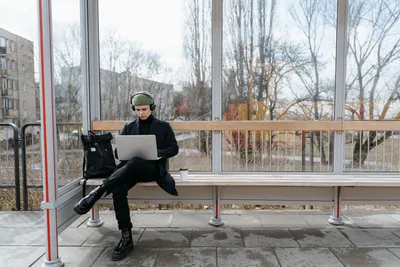
A young man works remotely on a laptop while sitting at a bus stop, showcasing modern digital nomad life.

Minneapolis job decisions work best when applicants look beyond the offer and weigh neighborhood supports, training pathways, housing, and local wage rules.

What a Minneapolis Job Offer Leaves Out: Rent, Transit, and the Block You’ll Live On

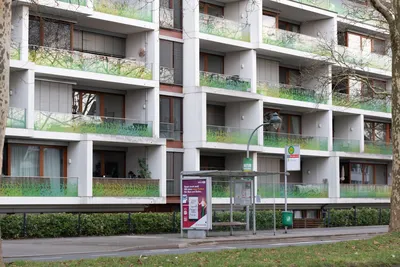
A modern urban apartment with balconies and a nearby bus stop in a city setting.

A practical guide to choosing a Minneapolis job with your commute, rent, wage floor, utilities, and neighborhood support in mind.

The Real Map of Minneapolis Work Is a Corridor Map, Not a Downtown Map

bicycle, bike, delivery, worker, job, road, pathway, return, orange, delivery, delivery, delivery, delivery, delivery, job

Minneapolis jobs are often corridor-based. Neighborhoods, transit timing, and the city wage floor can shape whether a job and commute actually fit.

The Minneapolis Commute Can Be Part of the Job Search

Snowy city street view featuring Minneapolis College and surrounding buildings in winter.

Minneapolis applicants can widen the job search by mapping transit corridors first—especially the Blue Line, bus network, and Midtown Greenway.

Three Minneapolis Ways to Add a Credential Without Starting Over

Overhead view of a hands-on classroom workshop with diverse students using hi-tech equipment.

Minneapolis College, Dunwoody, and the University of Minnesota offer different ways to stack skills around work, with schedules that matter as much as the credential.

In Minneapolis, the Job Address Is Part of the Offer

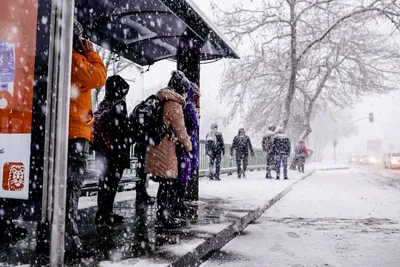
Crowded bus stop in a snowy winter day, people waiting as snow falls heavily.

Minneapolis job offers are shaped by the worksite itself: transit, wage rules, neighborhood geography, housing costs, and training options all affect the decision.

When the Offer Moves the Map: Minneapolis vs. Northern Minnesota for Job Seekers

A couple reviews paperwork at a kitchen table, embodying teamwork and collaboration.

Before you choose Minneapolis or northern Minnesota, compare wage floors, housing, transit, broadband, and training—not just the job title.

The Move North Test: What Minneapolis Tells You Before You Pack Up

A serene winter landscape of a snow-covered road and trees in Plainview, Minnesota.

Minneapolis is the right benchmark for anyone weighing work in northern Minnesota: pay, rents, transit, training, and neighborhood support all change the math.

AI Is Screening Your Minneapolis Job Application: How Employers Can Stay Fair (and How Candidates Can Get Seen)

Two women in a warehouse reviewing an inventory checklist on a clipboard.

AI is shaping hiring across Minneapolis. Here’s how employers can use it responsibly, and how job seekers can navigate automated screening without getting filtered out.

Stop Chasing Unicorn Candidates: How Minneapolis Employers Can Build a Training Pipeline That Actually Retains People

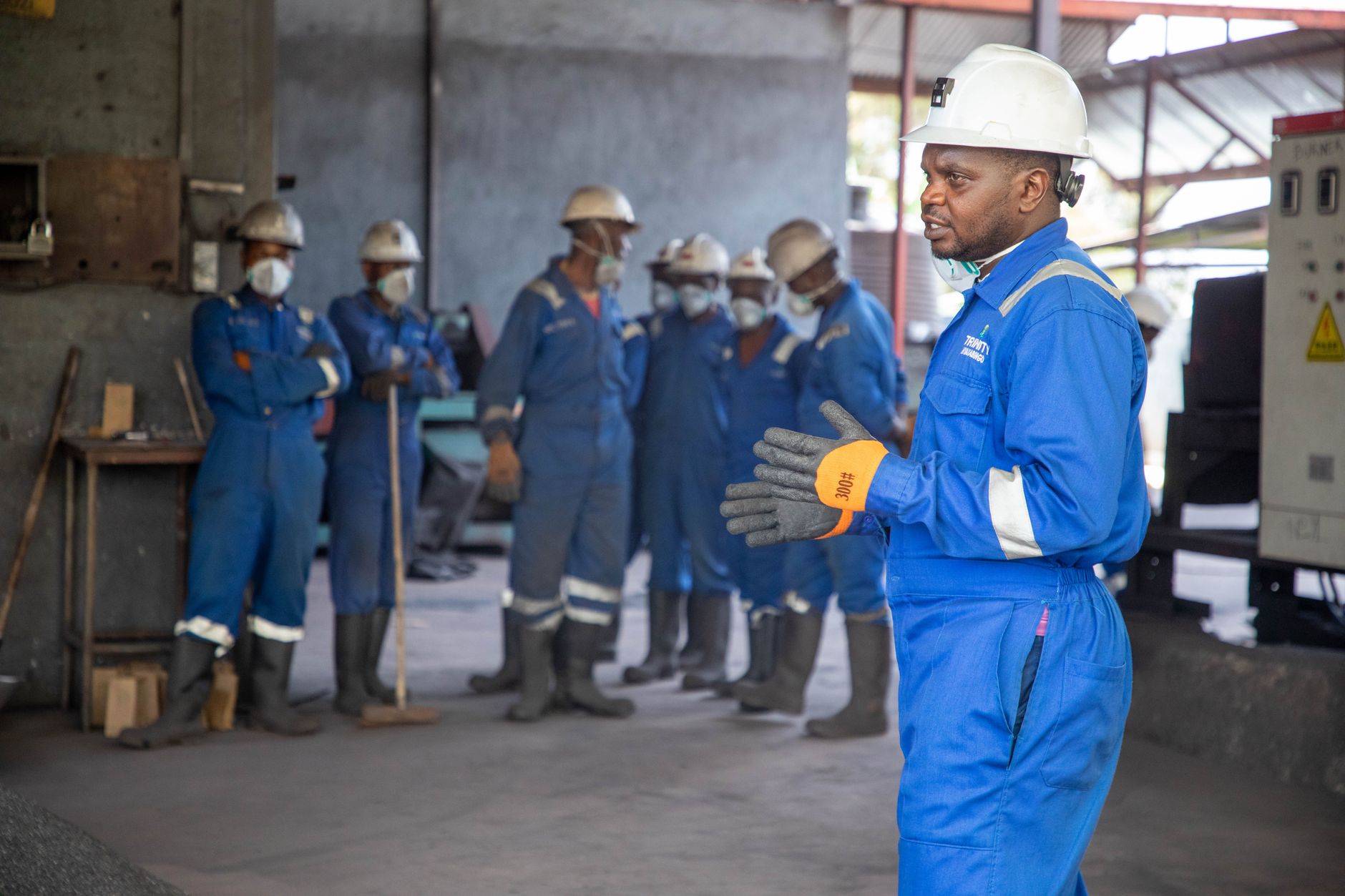
A group of factory workers in safety gear receiving training indoors.

Minneapolis employers can hire faster and retain longer by building training pipelines—structured onboarding, apprenticeships, and local college partnerships. Tips for workers to spot growth-focused jobs.

Winter-Proofing Your Minneapolis Workplace: Smart Policies for Snow Days, Safety, and Scheduling

Two male workers loading cardboard boxes in a warehouse with bundled paper in the background.

Minneapolis winter storms test attendance, pay, safety, and hybrid work. Use clear weather policies, flexible scheduling, and strong communication to protect workers and keep operations running.